
Sociolinguistic data: The Dialect Archive and LANCHART
At TRANSITION we explore the transition from rural to urban-centric societies with a focus on human lives and experiences in the so-called long 20th century (1870-present). To get closer to those lives and experiences, we use sociolinguistic data from a variety of sources such as the Dialect Archive or the LANCHART Corpus.
These sources hold significant cultural-historical value, as they provide a unique combination of linguistic data and historical insights, offering us a window into how people lived, spoke, and experienced the world in the past.
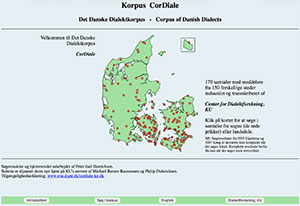
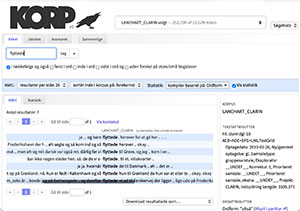
LANCHART (LANguage CHAnge in Real Time) is a large corpus of spoken Danish, comprising, among others, sociolinguistic interviews conducted from the 1970’s and onwards. The collection is still expanding with new data and material added continuously. The Dialect Archive, by contrast, is a collection of individual archives containing a wide range of linguistic items and recordings. These span both large geographic areas and long historical periods. As such they also reflect a long tradition of dialect research, for example the Korpus Cordiale, which includes recordings from 1934 to 1994.
By combining the two archives we have a unique opportunity to look into different experiences and zoom in on different people across time.
These collections allow us to study how language, dialects and sociolects are connected to social identity, belonging, and a sense of a shared culture. They also represent valuable historical data as they include life stories and personal recollections of daily routines, traditional crafting, work practices, and local customs. Therefore, this data also documents how people lived across different times and places in Danish history in addition to how they spoke.
We are interested in why and how language has changed over the course of time, and what language means to people, and how people connect meaning to language variation.
These archives help us study how differences in speech can set people apart by highlighting social, regional, or generational boundaries. As such, language is more than a means of communication – it shapes everyday life and lived experience. The way people speak influences how they interact, how they are perceived, and how they navigate the world around them. Dialects and sociolects carry stories of personal and collective history, reflecting the values, practices, and traditions of the communities in which they are spoken.